Optiland

Getting Started

  • Start Here
  • Installation
  • Quickstart — Your First 5 Minutes
  • API Cheat Sheet
  • Glossary
  • Optiland GUI Quickstart

Core Functionalities

  • Functionalities

Example Gallery

  • Introduction
  • Basic Lenses
  • Specialized Lenses
  • Reflective Systems
  • Analysis
  • OPD, PSF, and MTF
  • Optimization
  • Tolerancing
  • Freeform Optics
  • Diffractive and Generalized Phase Surfaces
  • Differentiable Ray Tracing
  • Real-World Projects
  • External Tools Using Optiland
  • Extended Sources
  • Miscellaneous
    • Merging Optics
    • CODE V (.seq) File Import Demo
    • OSLO (.len) File Import Demo
    • Physical Aperture Demo
    • Aperture: Float by Stop Size
    • Specifying Lens Sizes
    • Apodization
    • Paraxial to Thick Lens Conversion
    • Field Type: Paraxial Image Height
    • Field Type: Real Image Height
    • Visualization Themes
    • 2D Visualization in Non-default Axes
    • Ray Aiming
    • Subject-Specific Eye Model Example
    • Example of reading a Zemax file with circular aperture
    • Example of removing vignetted rays from the optical layout

Learning Guide

  • 1. Foundational Lens Design
  • 2. Real Raytracing & Analysis
  • 3. Lens Optimization
  • 4. Off-Axis & Complex Systems
  • 5. Polarization & Coatings
  • 6. Tolerancing & Physical Effects
  • 7. Differentiable Raytracing
  • 8. Extending Optiland
  • 9. Machine Learning in Optical Design

Developer's Guide

  • 1. Introduction
  • 2. System Requirements
  • 3. Installation
  • 4. Getting Starting with the Codebase
  • 5. Architecture Overview
  • 6. Code Structure
  • 7. Configurable Backend
  • 8. Ray Tracing Framework
  • 9. Surface Overview
  • 10. Interaction Models
  • 11. Propagation Models
  • 12. Geometry Overview
  • 13. Analysis Framework
  • 14. Optimization Framework
  • 15. Tolerancing Framework
  • 16. Multi-Configuration Framework
  • 17. Visualization Framework
  • 18. Optiland File Format
  • 19. Optiland GUI
  • 20. Extension Recipes
  • 21. Plugin Packages
  • 22. Deprecation Removal Tracking

Contributing

  • Contributing to Optiland

API Reference

  • Introduction
  • Analysis
  • Prescription
  • Backend
  • Coatings
  • Core
  • Fields
  • File IO
  • Geometries
  • Interactions
  • Materials
  • Machine Learning (ML)
  • Optic
  • Optimization
  • Paraxial
  • Phase
  • Physical Apertures
  • Rays
  • Ray Trace
  • Solves
  • Sources
  • Surfaces
  • Thin Film
  • Tolerancing
  • Visualization
  • Wavefront Analysis
  • Zernike
  • Multi-Configuration

Authors

  • Authors

License

  • MIT License

References

  • References
Optiland
  • Miscellaneous
  • View page source

Miscellaneous

This section contains miscellaneous examples that do not fit cleanly into the other categories. These may include advanced topics, specialized designs or analyses, or unique functionality of Optiland.

Merging Optics
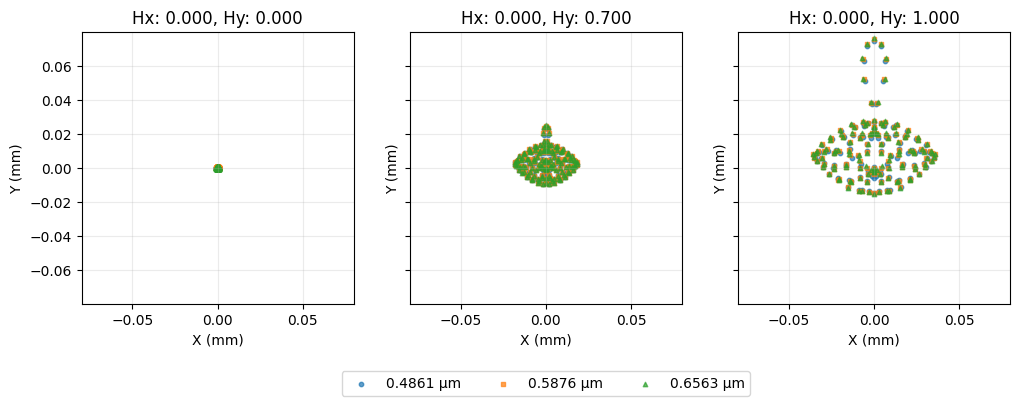
CODE V (.seq) File Import Demo
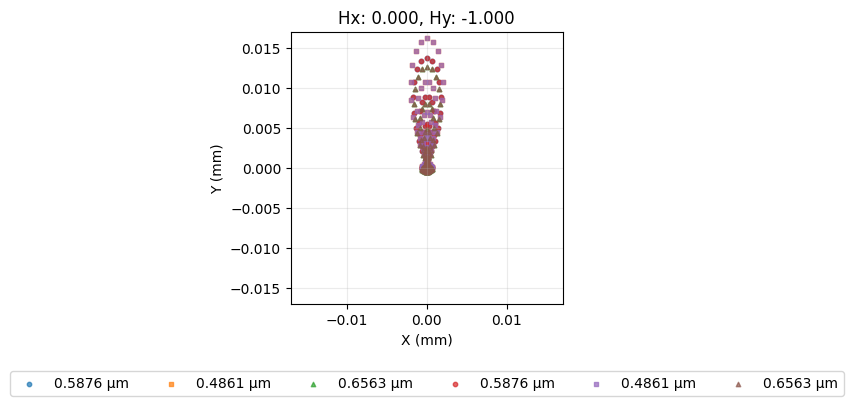
OSLO (.len) File Import Demo
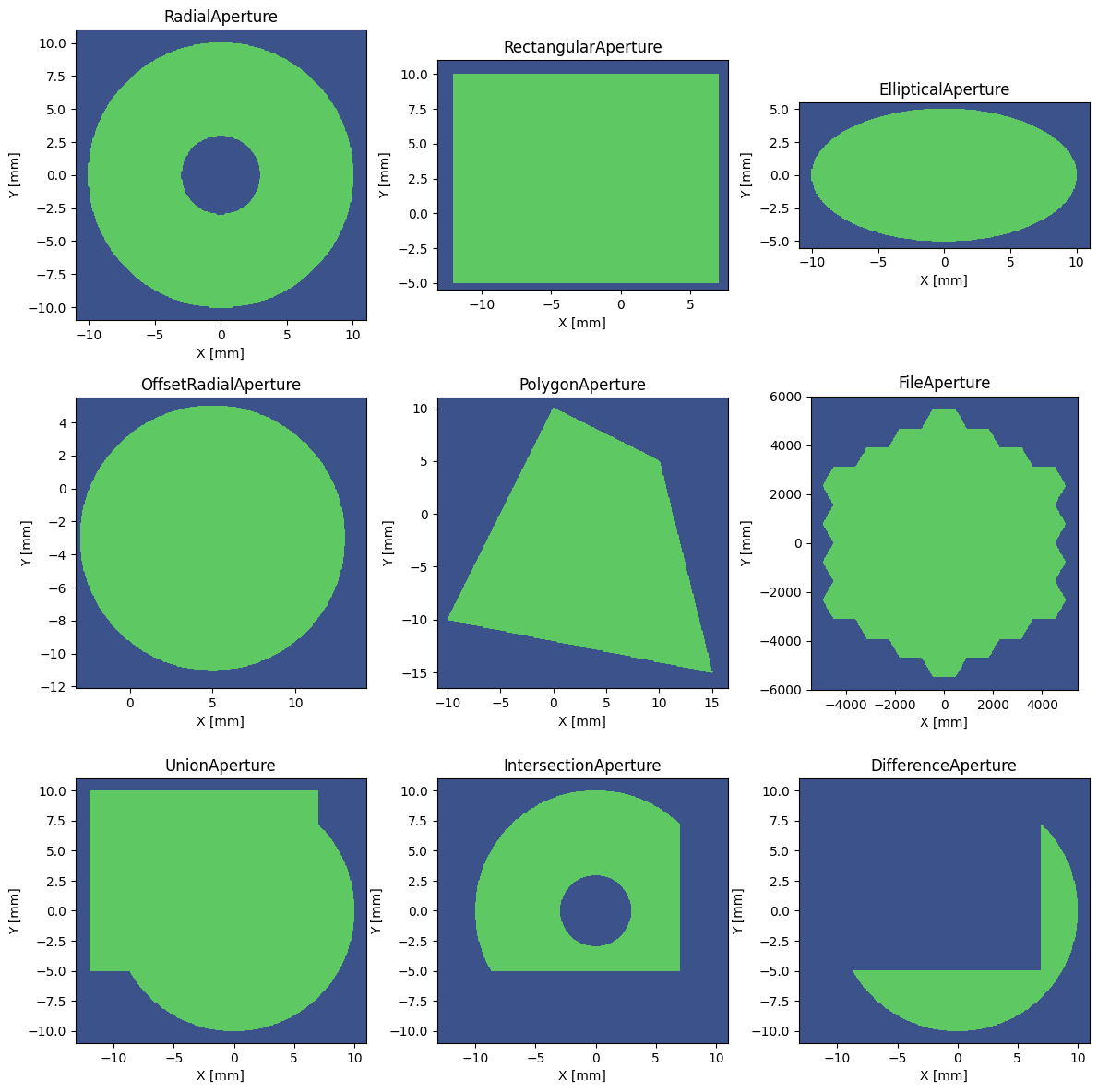
Physical Aperture Demo
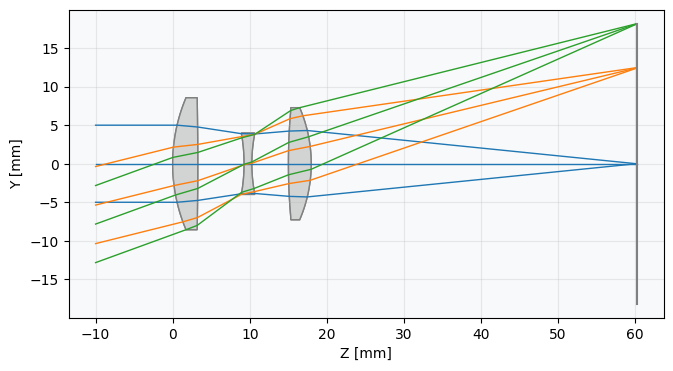
Aperture: Float by Stop Size
Specifying Lens Sizes
Apodization
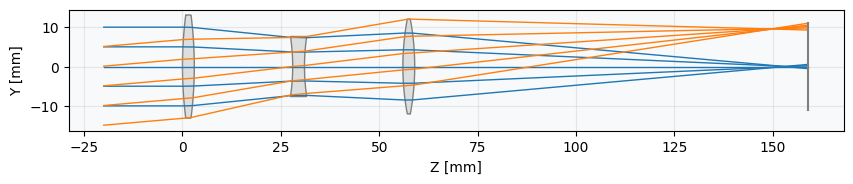
Paraxial to Thick Lens Conversion
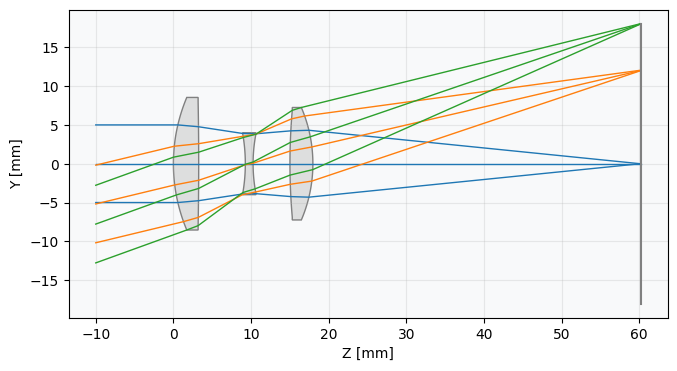
Field Type: Paraxial Image Height
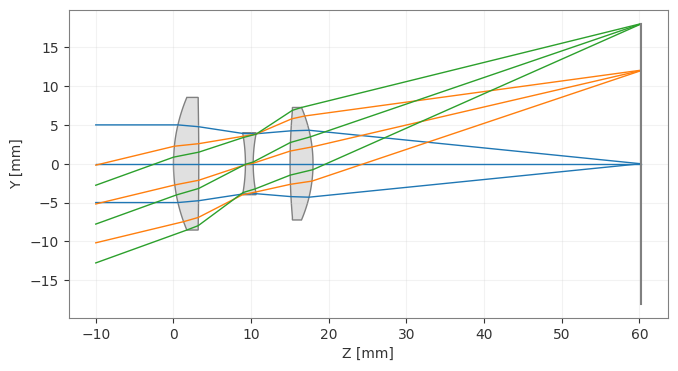
Field Type: Real Image Height
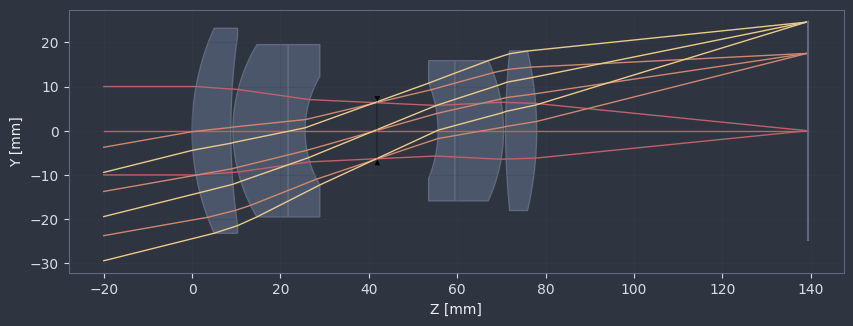
Visualization Themes
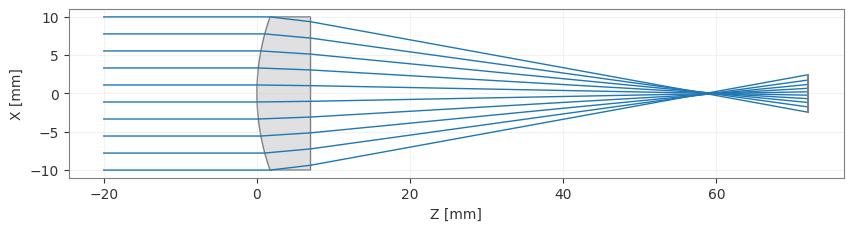
2D Visualization in Non-default Axes
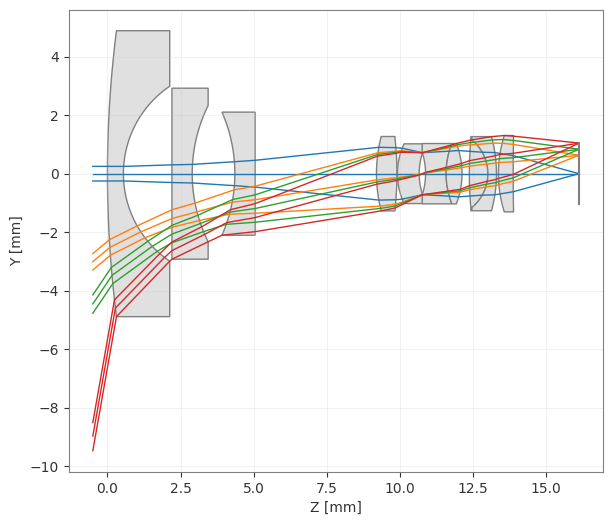
Ray Aiming
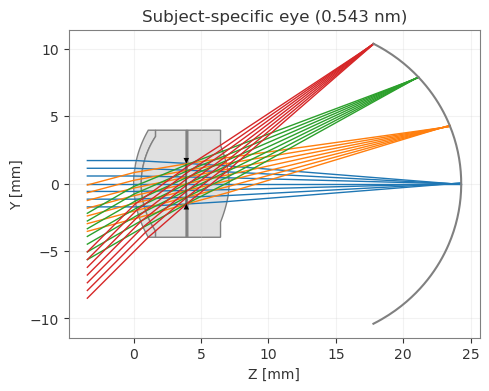
Subject-Specific Eye Model Example
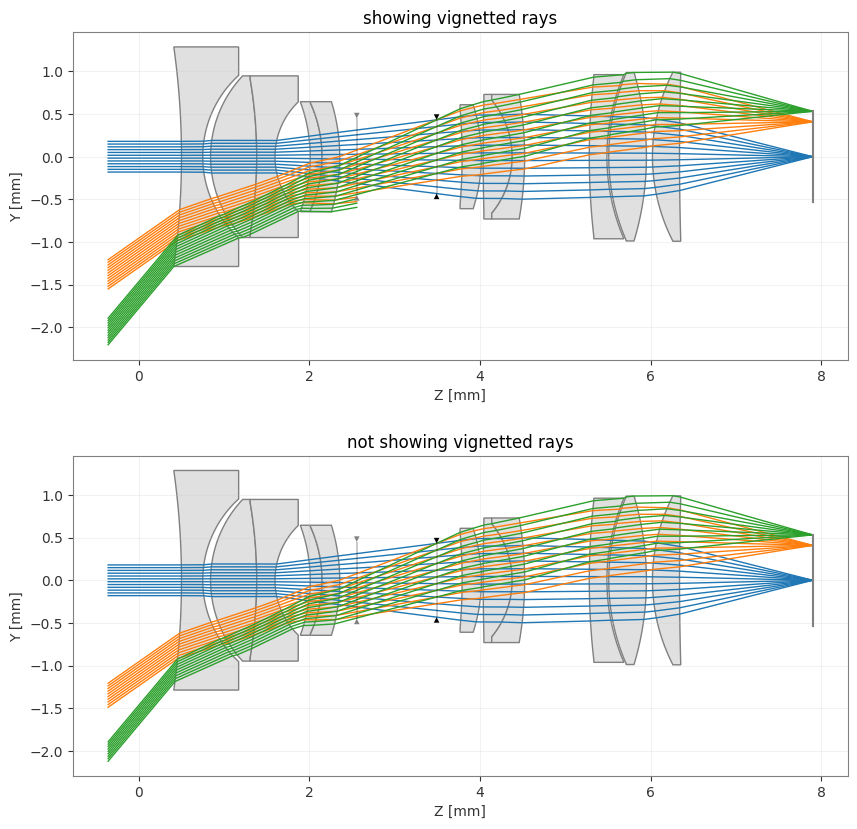
Example of reading a Zemax file with circular aperture
Previous Next

© Copyright 2024-2026, Kramer Harrison & contributors.

Built with Sphinx using a theme provided by Read the Docs.